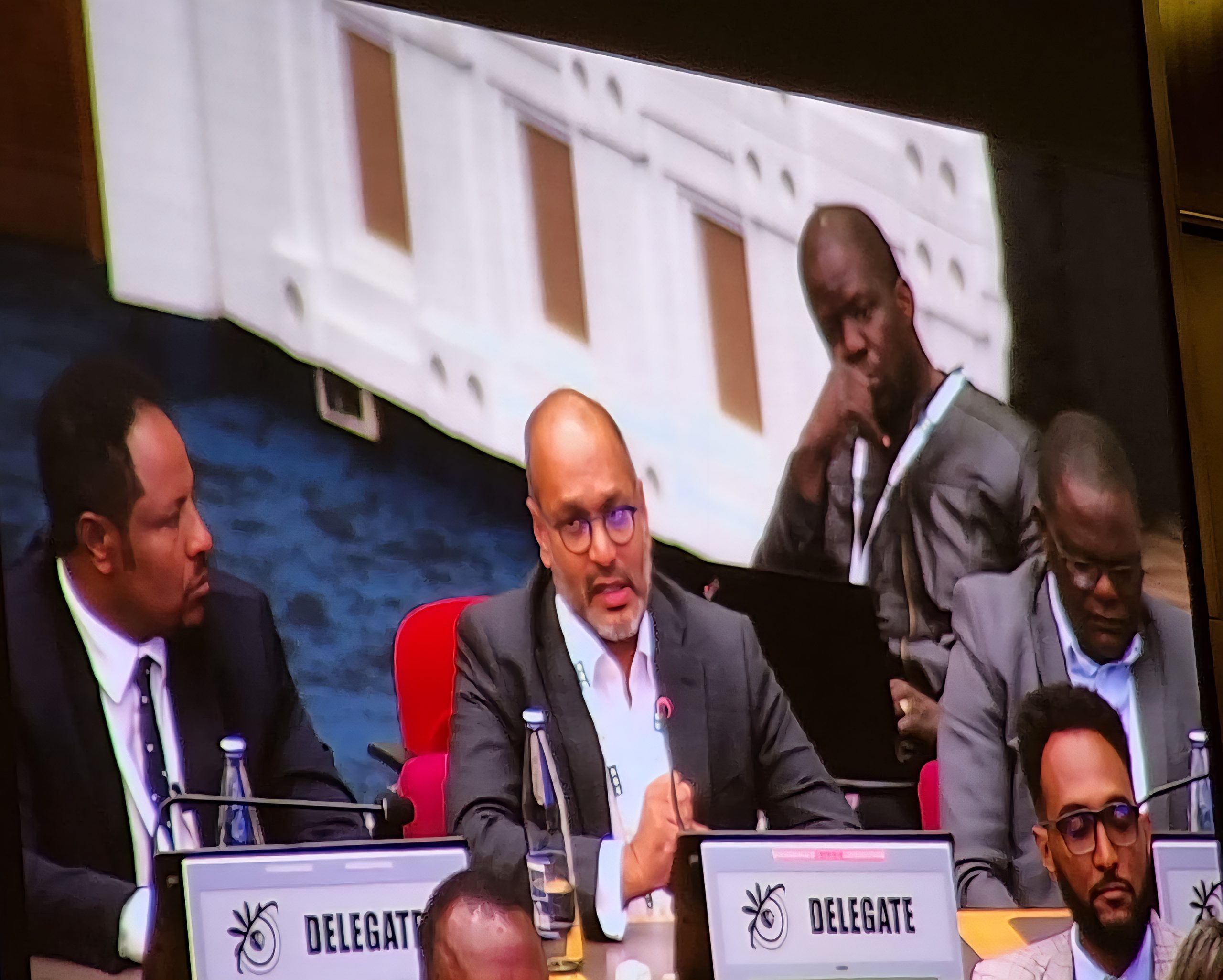
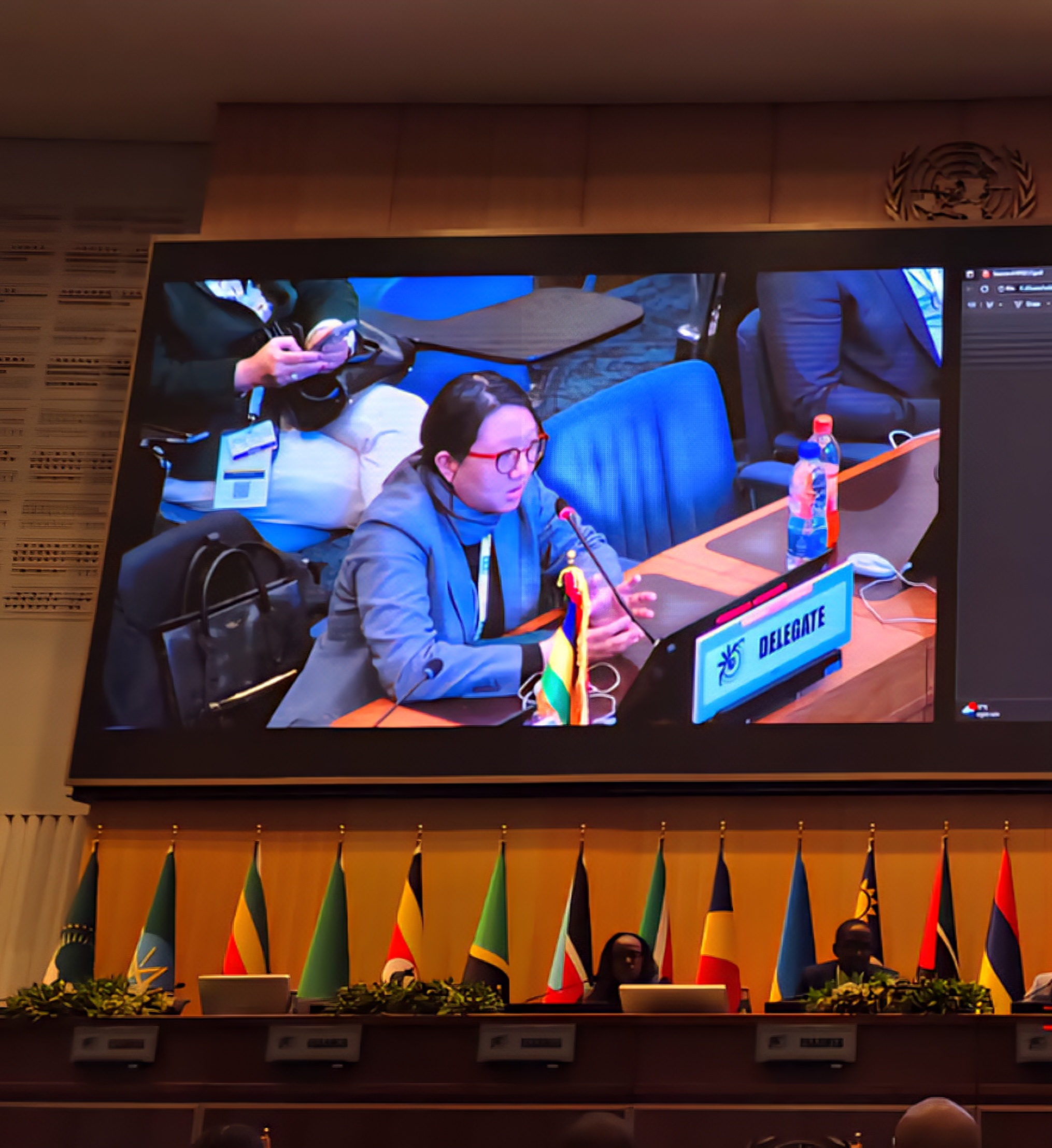
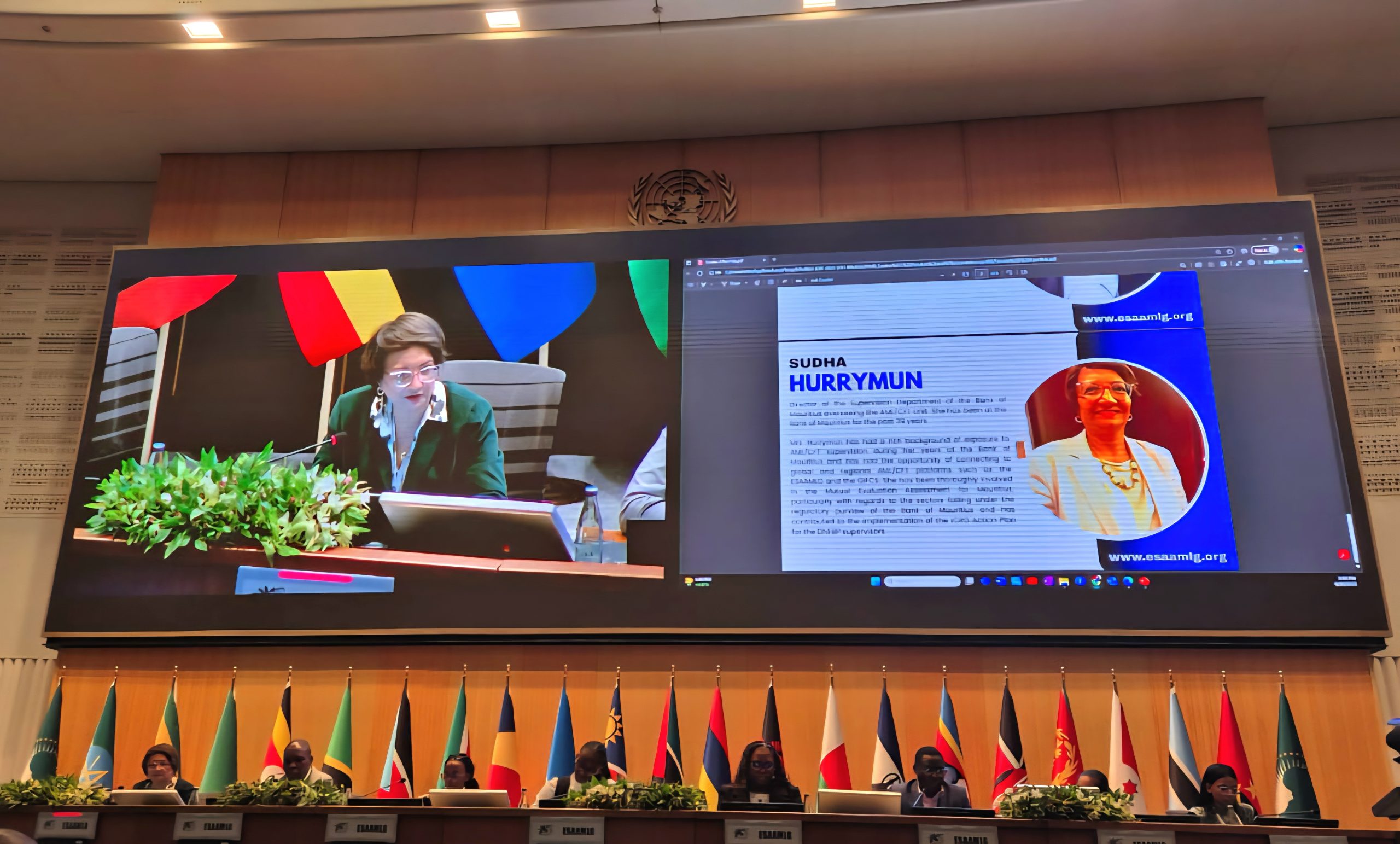
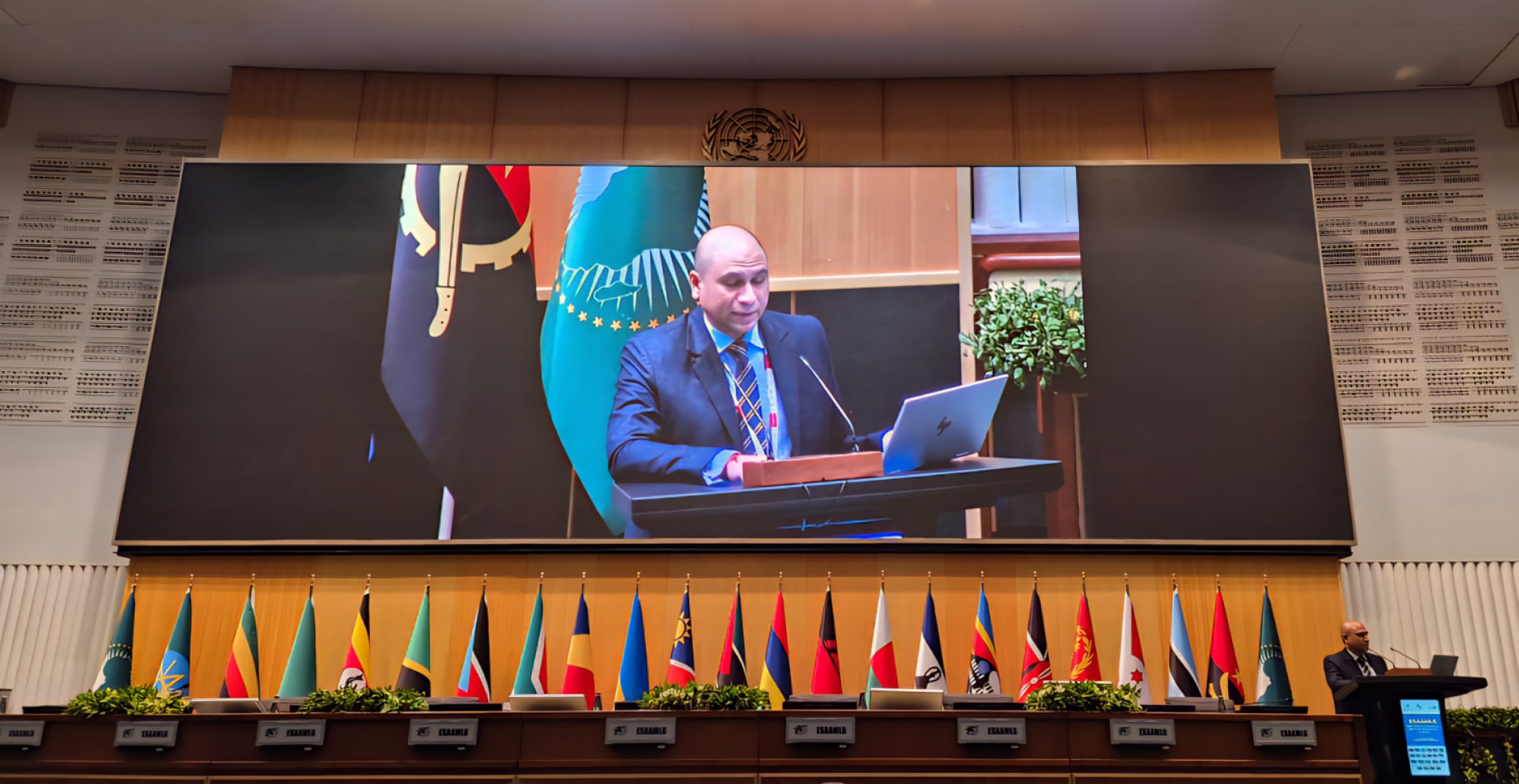
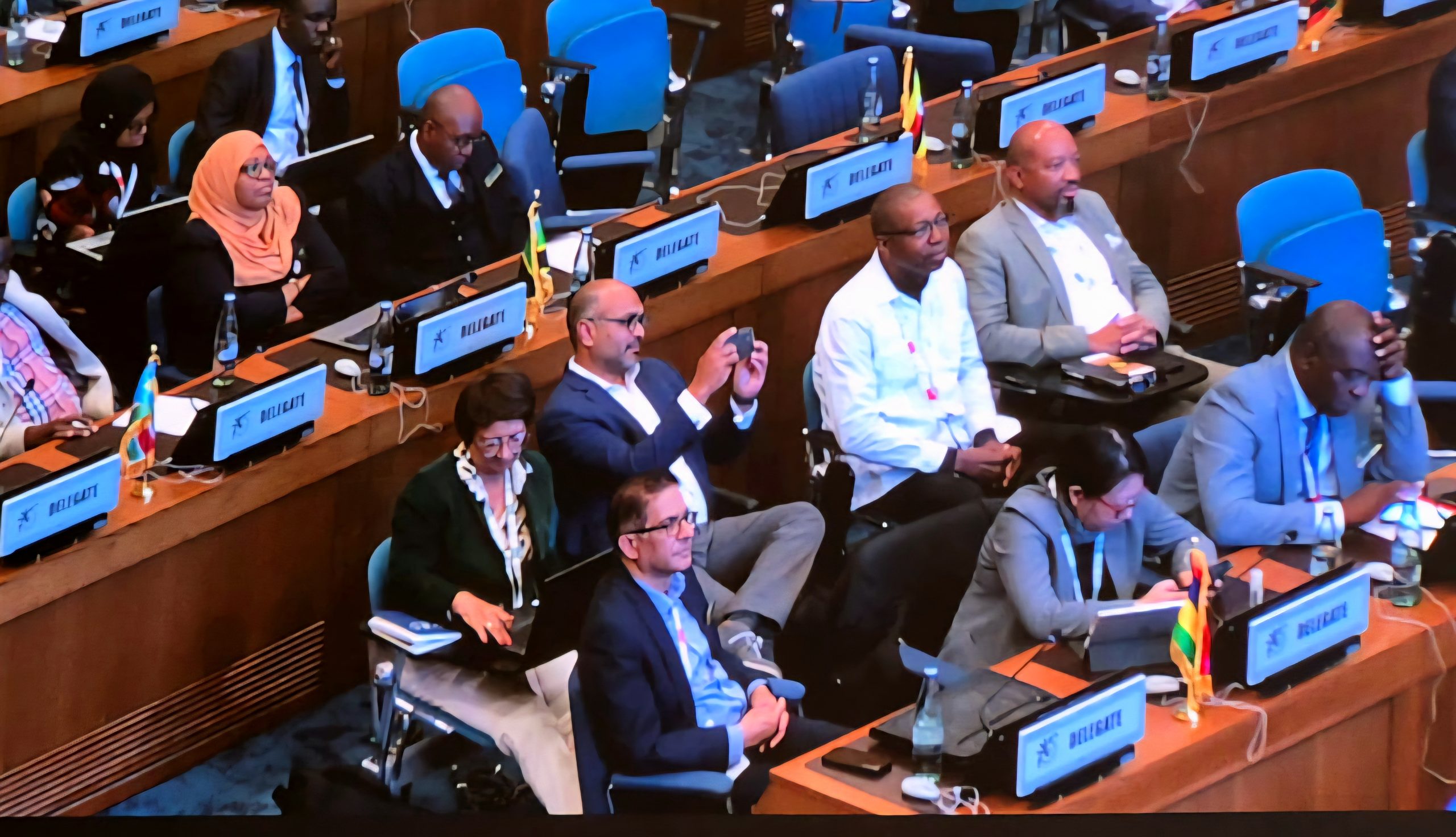
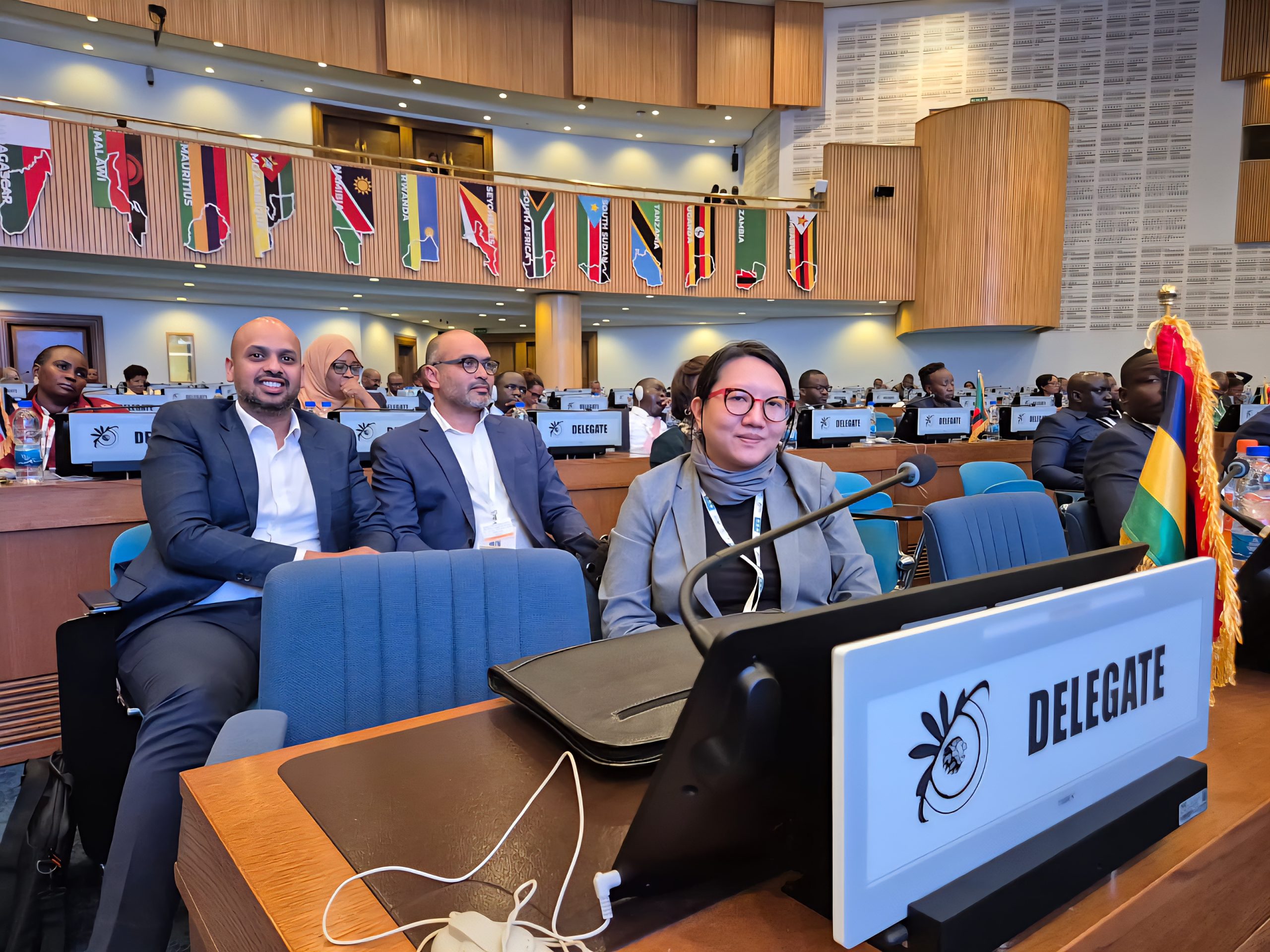
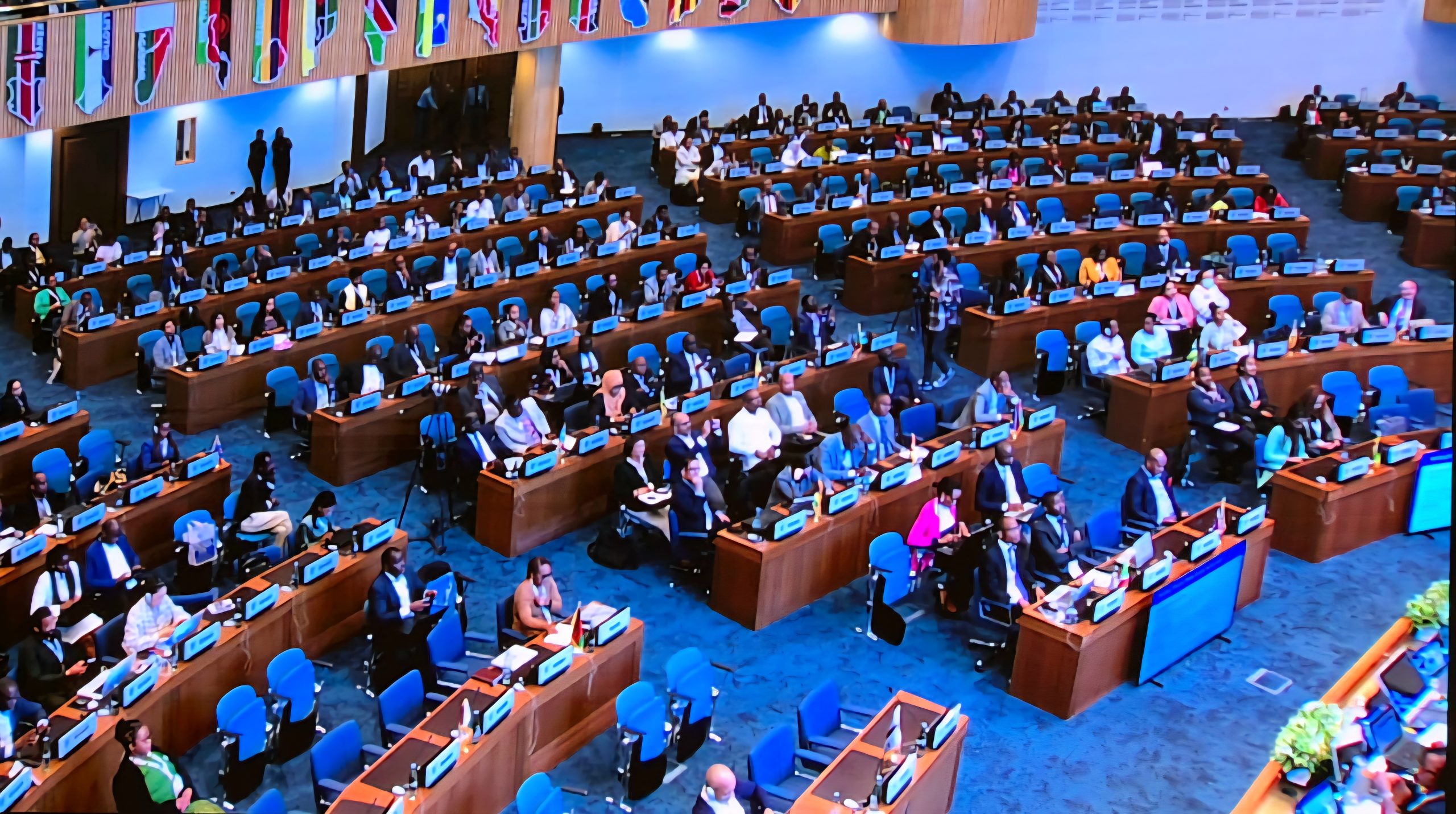
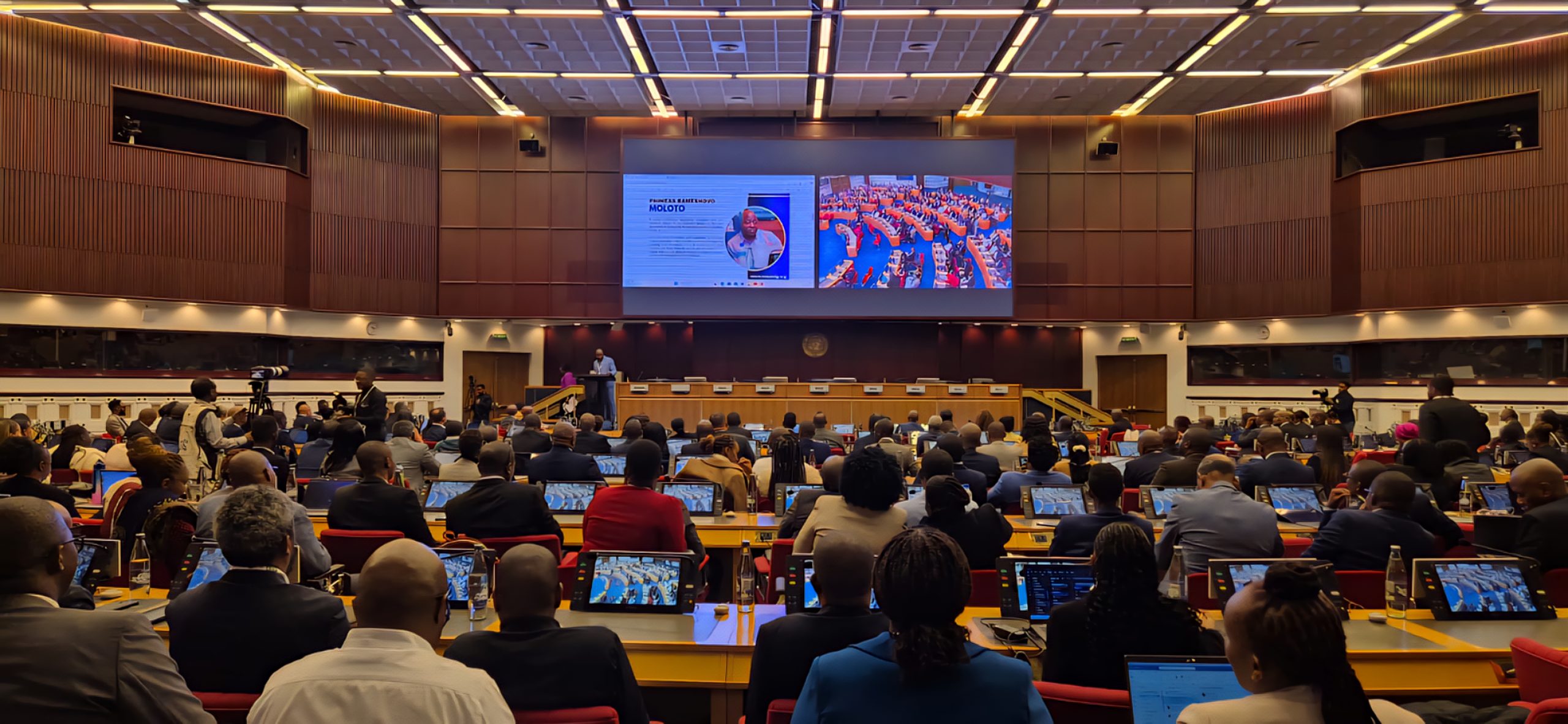
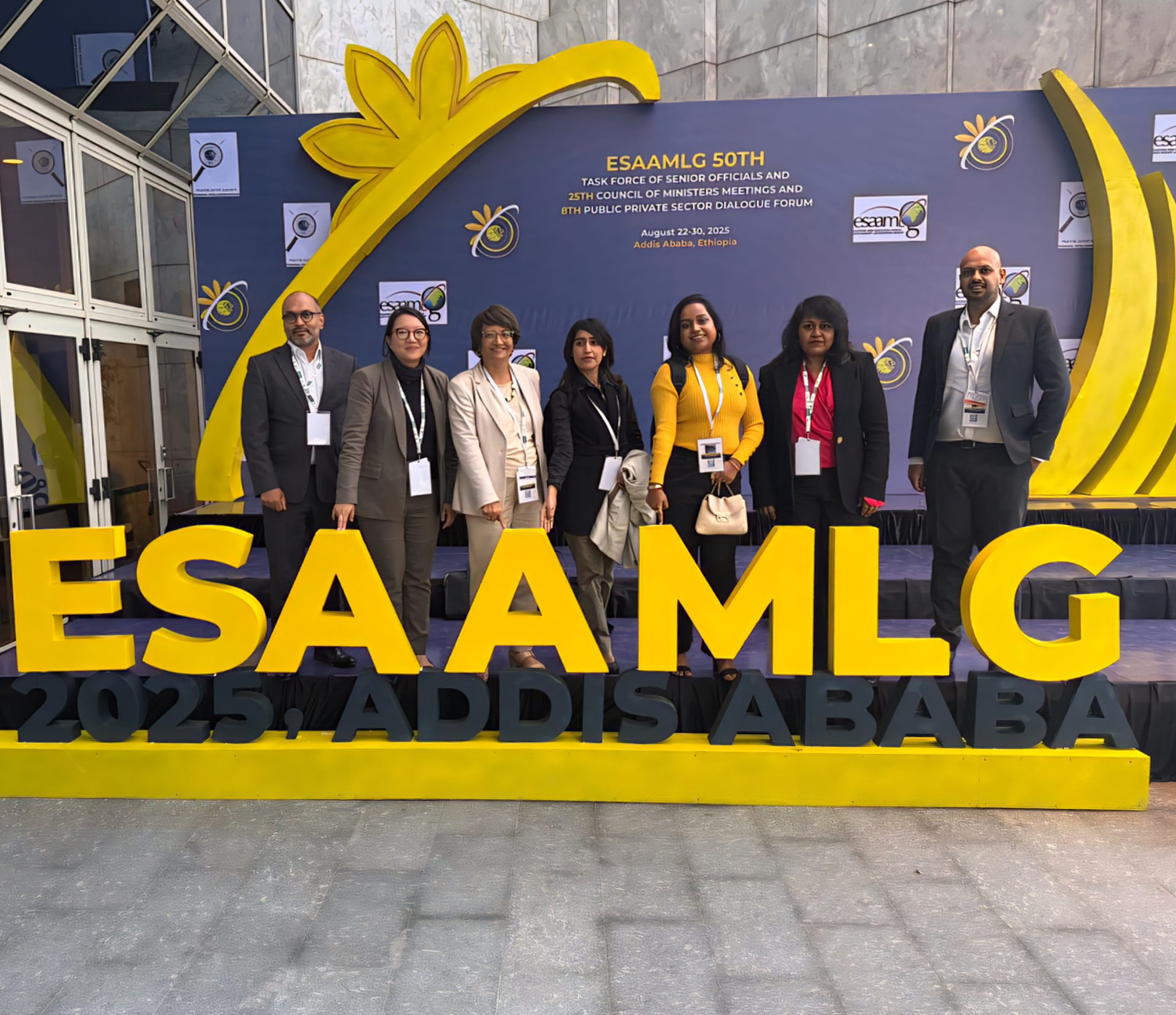
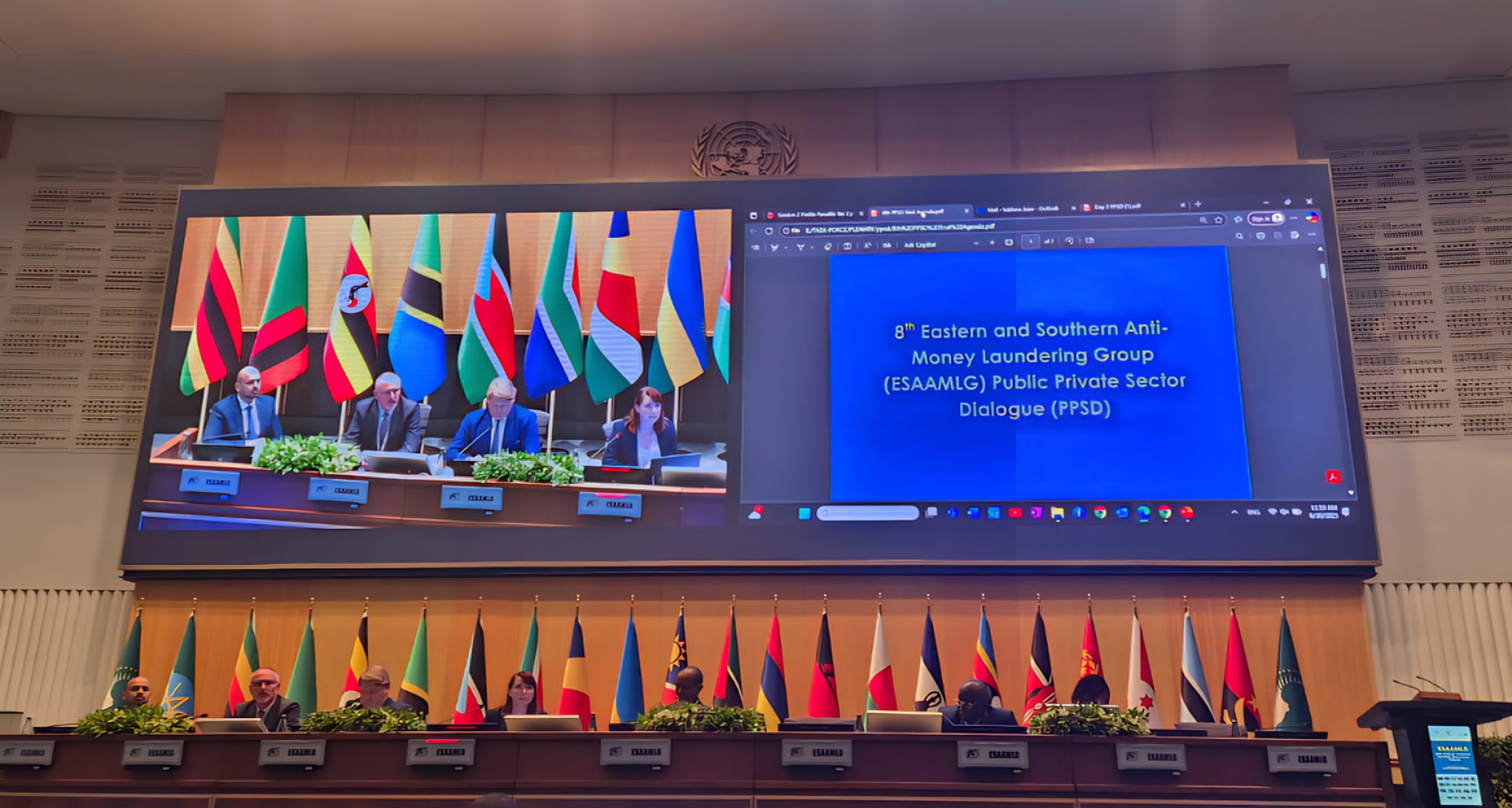
The 8th ESAAMLG Public Private Sector Dialogue concludes in Addis Ababa, Ethiopia.
More than half of all phishing attacks globally target financial institutions, reads a report by UK cybersecurity firm Red Sift.
Australia celebrates Scams Awareness Week, urging customers to remain alert to AI-powered threats.
Best wishes, The MBA team
Insights from 8th ESAAMLG PPSD
31 August 2025
The Eastern and Southern Africa Anti-Money Laundering Group (ESAAMLG) held its 50th Task Force of Senior Officials Meeting, 25th Council of Ministers, and 8th Public Private Sector Dialogue (PPSD) Meetings in Addis Ababa, Ethiopia, from 22-30 August 2025, regrouping 800+ delegates from 21 member countries.
The CEO of the MBA, Mr. Daniel Essoo, participated to the PPSD meetings on 29 & 30 August 2025; reaffirming the banking sector’s commitment against financial crime, and initiated the debate on how digitalisation and tokenisation can help broaden Capital markets, all while mitigating anti-money laundering (AML) concerns, during a session led by the London Stock Exchange Group.
‘U.S. Bank offers Greenlight’s products as an embedded experience within its mobile app. “It can be a challenge to take topics like budgeting or finances and make it fun and easy for young people,” Ronlund says, explaining that Greenlight’s “gamified approach” to financial literacy makes that process easier, more enjoyable and, thus, more sustainable. “Plus, kids get their own Greenlight debit card so they can build confidence as they put their money skills to work.” Ronlund explains that because there can be “concerns” that arise with putting money skills into practice with a debit card with kids, Greenlight has developed “best-in-class” educational challenges to keep kids engaged. Kids gain money management experience with parents able to monitor and manage progress along with their children.’
Report: Financial institutions main target for phishing attacks
14 August 2025
‘Financial institutions are “top targets” for phishing attacks, accounting for more than half of all phishing attacks globally, according to a new report by the U.K. cybersecurity consulting firm Red Sift. Many banks remain vulnerable to phishing attacks due to weak domain-based message authentication, reporting and conformance, or DMARC, enforcement, according to the report. To study the issue, the firm examined DMARC data from 510 of the largest U.S. banks. It found that only 42% of banks enforce “p=reject” policy, in which unauthenticated emails are automatically rejected. Only about 19% of banks enforced “p=quarantine,” in which questionable emails are quarantined.’
On Tuesday 26 August 2025, the CEO of the Mauritius Bankers Association, Mr. Daniel Essoo, had a working session with Ms. Bongi Kunene, Managing Director of The Banking Association South Africa (BASA), at the association’s headquarters in Johannesburg, South Africa. Mr. Essoo also met with Ms. Maxine Hlaba, General Manager of the SADC Banking Association on the occasion.
“It was an honour to meet with Ms. Kunene, and Ms. Hlaba, in order to take stock of the collective power of banking in the region. We discussed some of BASA’s recent projects, which include access to finance for SMEs, and public private collaboration in the fight against corruption. The association has set up a digital information repository, and has engaged in the training of law enforcement officers in financial crime investigation, which is particularly interesting,” stated Mr. Essoo.
Report: How ISO 20022 is improving cross-border payments
12 August 2025
‘The report highlights three use cases: buyer-to-supplier payments; tourism and retail transactions; and financial inclusion. “Our new report … shows how this standard is fueling payments modernization, giving senders and receivers richer data, faster reconciliation, and smarter domestic and international payments.” said Mark Majeske, SVP of faster payments at Alacriti and the chair of FPC’s Cross-Border Payments Work Group. The report provides real-world examples of how ISO 20022 enhances payment experiences through structured, standardized data that enables faster processing, improved compliance and reduced costs, FPC said.’
Ten recommendations to modernize deposit insurance
12 August 2025
‘Australian banks have today unveiled their latest scam fighting technology, with the launch of Confirmation of Payee – a new name-matching service designed to help protect customers from being tricked into sending money to criminals. Banks have invested $100 million in this new technology which is a key initiative of the sector’s Scam-Safe Accord – a set of world-leading safeguards by banks to help keep the money of Australians safe.’
‘This Scams Awareness Week, banks are urging Australians to remain alert to emerging scam threats, from criminals using AI to replicate the voice of people you trust through to deepfake videos of celebrities endorsing investment opportunities. AI scams to be on the lookout for: AI voice cloning of someone you know trying to convince you to transfer money to them; Deepfake videos that impersonate celebrities in videos to lure victims into dodgy investment schemes; AI generated phishing scams using highly convincing and personalised messages, emails, texts, or websites that mimic trusted brands or your bank.’
FinCEN Issues Notice on the Use of Convertible Virtual Currency Kiosks for Scam Payments and Other Illicit Activity
4 August 2025
‘Today, the U.S. Department of the Treasury’s Financial Crimes Enforcement Network (FinCEN) issued a Notice urging financial institutions to be vigilant in identifying and reporting suspicious activity involving convertible virtual currency (CVC) kiosks. While CVC kiosks can be a simple and convenient way for consumers to access CVC, they are also exploited by illicit actors, including scammers. The risk of illicit activity is exacerbated if CVC kiosk operators fail to meet their obligations under the Bank Secrecy Act (BSA). “Criminals are relentless in their efforts to steal money from victims, and they’ve learned to exploit innovative technologies like CVC kiosks,” said FinCEN Director Andrea Gacki. ’
Dutch online bank Bunq fined for failures in money laundering controls
25 August 2025
‘Dutch online bank Bunq has received a 2.6 million euro ($3.04 million) fine for failures in its money laundering controls, Dutch central bank DNB said on Monday. Bunq said it disagreed with DNB’s decision, to which it has formally objected. DNB said Bunq was fined in May for “serious shortcomings” in four cases between January 2021 and May 2022, in which it had failed to properly investigate and report signs of possible financial crimes. It also said previous investigations had already shown repeated failures, which the bank had failed to improve despite an earlier fine and other warnings.’
From awareness to action: AI’s role in fighting financial crime
19 August 2025
‘Currently, 69 per cent of respondents are not using AI in their Anti-Financial Crime (AFC) or compliance systems. However, this is set to change rapidly – 51 per cent of non-users plan to adopt AI within three years and over 80 per cent expect to have AI-driven AFC systems by 2030. Legacy technology remains a major hurdle – 39 per cent cited it as a significant obstacle. Yet, among those already using AI, tools are applied across eight distinct AFC functions. These range from KYC and due diligence to customer risk scoring and investigations. This suggests that AI adoption has the potential to be broad and cross-functional across AFC practices – an approach to organisational AI uptake seen as best practice by the Harvard Business Review.’
ICJ Advisory Opinion on Climate Change - what does it mean for financial services?
18 August 2025
‘Climate litigation risk is likely to increase for financial services companies. In March 2025, the Dutch environmental organisation, Milleudefensive, brought a claim against ING Group and ING Bank in the Amsterdam Court. As part of its claim, Milieudefensie has requested that ING stop providing funding to companies involved in new oil and gas projects and that ING’s major corporate clients present credible climate plans. The ICJ’s finding that climate change duties arise across a variety of international legal contexts is likely to encourage further domestic litigation such as this against companies, including banks and financial services firms.’
The Bank of Grandparents – An evolving use case for equity release
8 August 2025
‘We recognise that using equity release to support younger family members is mainly reserved to wealthier demographics who hold sufficient property equity for this model to work. It also important to note that improving affordability for younger generations is only one part of the solution. Improving the supply and ensuring the availability of the right kind of homes for all homebuyers is the keystone to creating a liquid and inclusive housing market in the UK. While using equity release in this way has the potentially to address some of barriers to the proper functioning of our housing market, only by stimulating both demand and supply can we transform the system to work for everyone.’
This website uses cookies to improve your experience while you navigate through the website. Out of these, the cookies that are categorized as necessary are stored on your browser as they are essential for the working of basic functionalities of the website. We also use third-party cookies that help us analyze and understand how you use this website. These cookies will be stored in your browser only with your consent. You also have the option to opt-out of these cookies. But opting out of some of these cookies may affect your browsing experience.
Necessary cookies are absolutely essential for the website to function properly. These cookies ensure basic functionalities and security features of the website, anonymously.
Cookie
Duration
Description
cookielawinfo-checkbox-analytics
11 months
This cookie is set by GDPR Cookie Consent plugin. The cookie is used to store the user consent for the cookies in the category "Analytics".
cookielawinfo-checkbox-functional
11 months
The cookie is set by GDPR cookie consent to record the user consent for the cookies in the category "Functional".
cookielawinfo-checkbox-necessary
11 months
This cookie is set by GDPR Cookie Consent plugin. The cookies is used to store the user consent for the cookies in the category "Necessary".
cookielawinfo-checkbox-others
11 months
This cookie is set by GDPR Cookie Consent plugin. The cookie is used to store the user consent for the cookies in the category "Other.
cookielawinfo-checkbox-performance
11 months
This cookie is set by GDPR Cookie Consent plugin. The cookie is used to store the user consent for the cookies in the category "Performance".
viewed_cookie_policy
11 months
The cookie is set by the GDPR Cookie Consent plugin and is used to store whether or not user has consented to the use of cookies. It does not store any personal data.
Functional cookies help to perform certain functionalities like sharing the content of the website on social media platforms, collect feedbacks, and other third-party features.
Performance cookies are used to understand and analyze the key performance indexes of the website which helps in delivering a better user experience for the visitors.
Analytical cookies are used to understand how visitors interact with the website. These cookies help provide information on metrics the number of visitors, bounce rate, traffic source, etc.
Advertisement cookies are used to provide visitors with relevant ads and marketing campaigns. These cookies track visitors across websites and collect information to provide customized ads.