The Association of Banks in Singapore launches Canny the anti-scam mascot, to prompt families, especially children, and youth, to be alert against fraud.
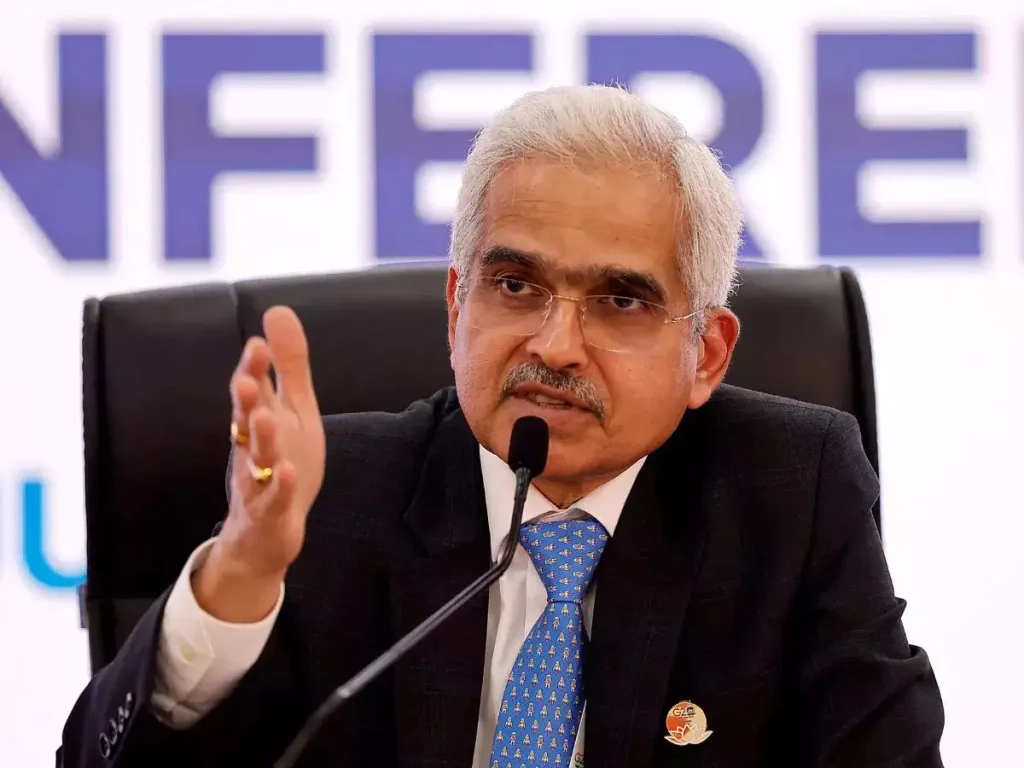
Reserve Bank of India Governor Shaktikanta Das urges banks to align their strategies with the developmental aspirations of the people, in line with the country’s goal of becoming a more inclusive economy by 2047.
Best wishes, The MBA team
FinCEN Issues Alert on Fraud Schemes Involving Deepfake Media Targeting Financial Institutions
13 November 2024
‘FinCEN has observed an increase in suspicious activity reporting by financial institutions describing the suspected use of deepfake media, particularly the use of fraudulent identity documents to circumvent identity verification and authentication methods. The abuse of GenAI tools contributes to cybercrime and fraud, two of FinCEN’s Anti-Money Laundering/Countering the Financing of Terrorism National Priorities. This alert is part of the U.S. Department of the Treasury’s broader effort to provide financial institutions with information on the opportunities and challenges that may arise from the use of artificial intelligence.’
ABS launches anti-scam mascot Canny to continue fight against scams
6 November 2024
‘Canny originates from the winning entry of the ABS Anti-Scam Mascot Design Competition conducted earlier this year. The concept features a watchful chameleon that blends in the background to alert potential victims to avoid scams. The name “Canny”, which means shrewdness and good judgement, was decided upon after extensive consultations with ABS’ member banks. Customers can look forward to seeing colourful Canny in physical and digital formats: Standees, t-shirts, plushies, fridge magnets and grocery bags; as a sticker, an animated gif and even videos. ABS Director Mrs Ong-Ang Ai Boon said: “We must all do our part in the fight against scams, and with Canny, we want to add to the ongoing national anti-scam efforts. “We believe Canny, as a colourful mascot, will be a powerful visual cognitive circuit breaker that will empower customers to be their own hero in the fight against scams. Over time, Canny will become an anti-scam visual in everyone’s minds and remind customers to always stop, check, don’t click yet.” ’
Chancellor fires up financial services sector to drive growth
14 November 2024
‘The Financial Ombudsman Service framework will also be modernised so that it continues to play a vital role for consumers to get redress while giving clearer expectations around its decisions for consumers and for financial services firms. The government will also consult on replacing the current Certification Regime, which applies to staff below senior management level, with a more proportionate approach that reduces costs so that businesses are freed up to focus on growth. To combat the scourge of fraud that cost UK consumers almost £8.3 billion last year alone and steals money away from investment and lending by the financial services sector, a coordinated effort across sectors, law enforcement and government is needed…. Further action is being taken to drive innovation in payments with the publication of a National Payments Vision, and reinvigorate the UK’s capital markets by committing to legislate to establish PISCES by May 2025 – a world-first regulated market for trading private company shares where transfers will be exempted from stamp duty taxes on shares. The government is launching a pilot to deliver a Digital Gilt Instrument, using distributed ledger technology (DLT), demonstrating the government’s commitment to innovation in the financial services sector.’
Can automated risk-based pricing expand mortgages access for the self-employed?
13 November 2024
‘Dynamic pricing engines offer a promising solution. By leveraging instant analysis of multiple factors, these engines enable lenders to make informed decisions on loan pricing, eligibility and risk assessment. This approach helps mitigate risk and tailor offerings to the unique circumstances of self-employed applicants. Dynamic and risk-based pricing is not a novel concept; it has been effectively applied in equity release and portfolio landlord lending. By considering individual circumstances and property risks, these models allow for more personalised and competitive loan terms. For mortgages, risk-based pricing engines offer a distinct advantage by creating accurate client scorecards. These scorecards take into account various borrower characteristics, enabling a more comprehensive assessment that goes beyond mere income. As a result, self-employed borrowers gain access to more personalised and fair mortgage rates, enhancing their inclusion in the lending process.’
Navigating consumer duty regulations: The power of dynamic scenario planning
14 November 2024
‘The adoption of dynamic scenario planning with data analytics enhances compliance monitoring and reporting capabilities. By aggregating and analysing customer outcome related data, financial institutions can identify patterns, trends, and potential risks related to consumer duty regulations. This data-driven approach not only strengthens compliance efforts but also enables institutions to provide regulators with accurate and timely reports, showcasing their commitment to transparency and regulatory compliance. This data driven approach also ensures that financial institutions can be agile in their decision-making processes and proactive in the face of a fast paced and changing environment.’
ABA: Proposed restrictions on calls using AI would harm bank communication with customers
18 November 2024
‘The FCC in September issued a notice of proposed rulemaking to require callers to obtain prior consent from consumers to receive AI-generated calls and provide a disclosure at the beginning of a call that uses an AI-generated voice. In a letter, ABA said it supports the commission’s efforts to eliminate illegal calls, but the rule as written is too broad. The proposed definition of what constitutes an “AI-generated call” is so expansive and vague it captures many technologies already used to reach customers with vital information.’
RBI’s Shaktikanta Das cautions banks against mis-selling
19 November 2024
‘Reserve Bank of India (RBI) governor Shaktikanta Das said on Monday that banks must strengthen their internal governance framework to curb unethical practices such as mis- selling and opening accounts without proper verification. Addressing the conference of directors of private sector banks, Das said “carefully structure the incentives of banks’ sales staff” to curb the malaise of mis-selling. While such practices may yield short-term gains, they ultimately expose the bank to significant long-term risks, including reputational damage, supervisory scrutiny and financial penalties.’
TD Bank’s $3 Billion Fine Reveals the Shortcomings of the Banking Sector’s Anti-Money-Laundering Safeguards
20 November 2024
‘TD Bank facilitated more than $400 million in transactions for Sze between 2017 and 2021, according to FinCEN, before he pleaded guilty to money laundering in 2022 for his role in conspiring to hide the proceeds of narcotics trafficking. “Sze conducted most of these transactions in large sums of cash (often in bags that Sze brought into TD Bank branches), yet the Bank failed to timely limit or restrict Sze’s activity,” FinCEN stated in its press release. “TD Bank failed to timely file SARs [suspicious activity reports] on a substantial portion of this activity and also failed to identify Sze in more than 500 CTRs [currency transaction reports] totalling more than $400 million, which hindered FinCEN and law enforcement.” ’
Don’t Be Fooled! UK Finance launches new SEND lessons to prevent pupils from becoming money mules
19 November 2024
‘The programme has now been expanded to meet the particular needs of SEND students with dyslexia and those experiencing cognitive and/or communication difficulties, which teachers can easily adapt according to the needs of their pupils… Criminals need money mules to launder the profits of their crimes and frequently target young people, who are often unaware of the consequences of them agreeing to do so. Intelligence suggests that criminals are increasingly using social media to target young people, but youngsters are also approached in-person outside schools, colleges or sports clubs. Allowing a bank account to be used in this way is a crime and can result in bank accounts being closed.’
Preparing for NIS2: What UK Financial Institutions need to know
10 November 2024
‘It introduces security requirements, reporting obligations, and sanctions, as a response to the increased frequency and impact of cyberattacks on EU companies and critical infrastructure. Although NIS2 requirements do not apply to the UK, compliance is crucial for financial institutions operating within EU supply chains. This includes heightened scrutiny on third-party risk management, supply chain resilience, and cybersecurity practices. For CISOs in the UK, understanding and aligning with NIS2 is key to securing both trust and business continuity across EU markets.’
This website uses cookies to improve your experience while you navigate through the website. Out of these, the cookies that are categorized as necessary are stored on your browser as they are essential for the working of basic functionalities of the website. We also use third-party cookies that help us analyze and understand how you use this website. These cookies will be stored in your browser only with your consent. You also have the option to opt-out of these cookies. But opting out of some of these cookies may affect your browsing experience.
Necessary cookies are absolutely essential for the website to function properly. These cookies ensure basic functionalities and security features of the website, anonymously.
Cookie
Duration
Description
cookielawinfo-checkbox-analytics
11 months
This cookie is set by GDPR Cookie Consent plugin. The cookie is used to store the user consent for the cookies in the category "Analytics".
cookielawinfo-checkbox-functional
11 months
The cookie is set by GDPR cookie consent to record the user consent for the cookies in the category "Functional".
cookielawinfo-checkbox-necessary
11 months
This cookie is set by GDPR Cookie Consent plugin. The cookies is used to store the user consent for the cookies in the category "Necessary".
cookielawinfo-checkbox-others
11 months
This cookie is set by GDPR Cookie Consent plugin. The cookie is used to store the user consent for the cookies in the category "Other.
cookielawinfo-checkbox-performance
11 months
This cookie is set by GDPR Cookie Consent plugin. The cookie is used to store the user consent for the cookies in the category "Performance".
viewed_cookie_policy
11 months
The cookie is set by the GDPR Cookie Consent plugin and is used to store whether or not user has consented to the use of cookies. It does not store any personal data.
Functional cookies help to perform certain functionalities like sharing the content of the website on social media platforms, collect feedbacks, and other third-party features.
Performance cookies are used to understand and analyze the key performance indexes of the website which helps in delivering a better user experience for the visitors.
Analytical cookies are used to understand how visitors interact with the website. These cookies help provide information on metrics the number of visitors, bounce rate, traffic source, etc.
Advertisement cookies are used to provide visitors with relevant ads and marketing campaigns. These cookies track visitors across websites and collect information to provide customized ads.